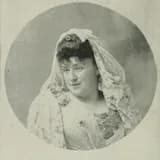
Julie Rosewald died on July 16, 1906, in San Francisco, closing the life of America's first known woman cantor and celebrated opera singer.
Julie Rosewald died on July 16, 1906, in San Francisco, California, the city where she had spent decades of her career as an opera singer, vocal teacher, author, and religious pioneer. Her death came just months after the catastrophic 1906 San Francisco earthquake and fire, which devastated much of the city, including many of its cultural and religious institutions, though the direct effect of the disaster on her final months is not clearly documented in accessible sources.
By the time of her passing, Rosewald had built a multifaceted legacy: she was remembered as an internationally trained opera singer who had performed on European and American stages, as a professor of music and vocal instructor who shaped younger generations of singers, as an author of musical texts, and — most significantly for posterity — as the first woman known to have led religious services in an American synagogue, a role she fulfilled at Temple Emanu-El from 1884 to 1893.
Her death marked the end of a life that bridged European and American musical and religious cultures during a formative period for both American Reform Judaism and the broader inclusion of women in public religious and cultural life. Although she did not receive widespread public honors during her lifetime commensurate with her historical importance, later scholarship — particularly through the Jewish Women's Archive — has worked to restore her place in the historical narrative as a trailblazer whose barrier-breaking role anticipated the ordination of women cantors by nearly a century.