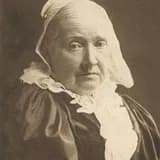
Julia Ward Howe was born in New York City to a prominent banking family, later becoming one of America's most influential writers and reformers.
Julia Ward was born on May 27, 1819, in New York City, into a wealthy and socially prominent family. Her father, Samuel Ward Jr., was a successful banker on Wall Street, and her mother, Julia Rush Cutler, was a poet who died when Julia was only five years old. Raised in a strict, devout household, young Julia received an unusually rigorous education for a woman of her era, including private tutoring in languages, literature, music, and philosophy.
This early exposure to intellectual pursuits, combined with access to her family's extensive library, cultivated in her a lifelong passion for writing, ideas, and social reform. Despite the era's severe restrictions on women's public and intellectual life, Julia's family background afforded her opportunities for self-education that most women of the nineteenth century were denied.
Her birth marks the beginning of a life that would bridge the worlds of literature, abolitionism, women's suffrage, and pacifism. She would go on to become one of the most recognized American women of the nineteenth century, celebrated for authoring The Battle Hymn of the Republic and for her tireless advocacy for women's rights and world peace. Her upbringing amid privilege, tempered by personal loss and intellectual rigor, shaped the formidable reformer and writer she would become.