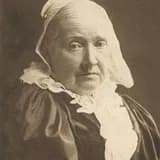
Julia Ward Howe died on October 17, 1910, in Rhode Island at age 91, having lived to see much of her suffrage advocacy bear fruit.
Julia Ward Howe died on October 17, 1910, at the age of 91, in Rhode Island; sources differ on whether her final residence at death was in Newport or Portsmouth. She had lived an extraordinarily long and productive life, remaining active as a writer, lecturer, and activist well into her eighties and nineties.
By the time of her death, Howe was one of the most celebrated women in the United States, renowned both for authoring "The Battle Hymn of the Republic" and for her decades-long leadership in the women's suffrage and international peace movements. Two years before her death, in 1908, she had become the first woman elected to the American Academy of Arts and Letters, a crowning recognition of her literary stature.
Her funeral and public mourning reflected her status as a national icon; thousands are said to have gathered to pay tribute, and choirs reportedly sang her famous hymn at memorial services held in her honor. Howe's death marked the passing of a transitional generation of American women reformers who had bridged the abolitionist era and the modern suffrage movement.
Her legacy endured through the continued singing of her hymn, the ongoing work of organizations she helped found such as the American Woman Suffrage Association, and the enduring tradition of Mother's Day, which traces part of its origins to her 1870 Mother's Day Proclamation for peace. She is buried at Mount Auburn Cemetery in Cambridge, Massachusetts.