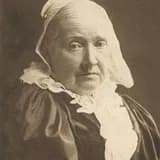
Howe's Civil War anthem was published in the February 1862 issue of The Atlantic Monthly, earning her national fame and $5 in payment.
In February 1862, The Atlantic Monthly published Julia Ward Howe's poem "The Battle Hymn of the Republic" on its front page, for which she was paid a modest sum of five dollars. The publication in one of America's most prestigious literary magazines immediately propelled the poem into national prominence.
Set to the tune of "John Brown's Body," the hymn quickly became the unofficial anthem of the Union cause, sung by soldiers, abolitionists, and civilians alike. Its stirring imagery—"mine eyes have seen the glory of the coming of the Lord"—framed the Civil War as a righteous, almost apocalyptic struggle for justice and freedom, resonating deeply with a war-weary and morally divided nation.
The publication marked a pivotal moment in Howe's career, transforming her from a relatively obscure poet into a figure of national significance. It was one of the first instances of a woman's literary work achieving such widespread cultural and political impact in the United States. The hymn's enduring popularity long outlived the war itself, becoming a staple of American patriotic music and a symbol invoked in subsequent social and political movements, including the civil rights era. Howe's authorship of this anthem remains her most widely recognized legacy.