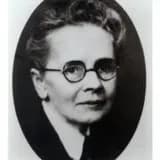
Morgan was granted her California state architect's license, becoming the first woman licensed to practice architecture in California.
On March 13, 1904, Julia Morgan was granted her architect's license by the state of California, making her the first woman licensed to practice architecture in the state's history.
Having returned from Paris with her Beaux-Arts certification, Morgan worked briefly under prominent architect John Galen Howard on projects for UC Berkeley, gaining practical experience with American building codes, materials, and construction practices that differed from her European training. This period allowed her to prepare for California's licensing examination, which tested both technical and legal knowledge of architectural practice.
Earning this license was a critical legal and professional milestone: without it, Morgan could not have legally signed drawings, contracted independently with clients, or opened her own practice. Licensing boards and the profession at large had little precedent for certifying women, and Morgan's success demonstrated unequivocally that gender was no barrier to meeting the state's rigorous professional standards.
This achievement directly enabled her to establish her own architectural firm shortly afterward, free from the constraints of working under male principals who often received public credit for women's design contributions. It marked the formal beginning of one of the most prolific independent architectural careers in American history, eventually encompassing over 700 buildings across California and beyond, and it remains a landmark reference point in the history of women's entry into licensed professions.