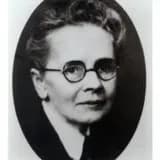
Julia Morgan died in San Francisco at age 85, having designed more than 700 buildings over her extraordinary career.
Julia Morgan died on February 2, 1957, in San Francisco at the age of 85. By the time of her death, she had designed or contributed to more than 700 buildings over a career spanning more than five decades, an extraordinary output that few architects of any gender have matched.
In her final years, Morgan had largely withdrawn from public life, closing her office in the early 1950s as her health declined and travel restrictions and material shortages following World War II made large-scale commission work increasingly difficult. She was known throughout her life for her intense privacy, rarely giving interviews and famously destroying much of her personal correspondence and records before her death, reflecting her lifelong preference for letting her buildings speak for themselves rather than seeking personal fame.
At the time of her death, Morgan's reputation, while respected regionally, had not yet achieved the national and international recognition it would later receive. Architectural historians and preservationists in subsequent decades undertook extensive efforts to document, catalog, and celebrate her body of work, particularly following the opening of Hearst Castle as a public state park in 1958, just a year after her death.
Her death marked the end of a career that had fundamentally challenged and reshaped assumptions about women's capabilities in architecture and engineering. Today she is remembered as one of the most important and prolific architects in American history, with her legacy continuing to grow through scholarly reassessment, museum exhibitions, and posthumous honors including the AIA Gold Medal awarded in 2014.