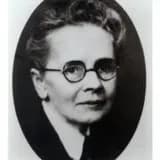
Morgan became the first woman admitted to the architecture program at the École des Beaux-Arts in Paris.
On November 2, 1898, after multiple failed attempts and years of determined effort, Julia Morgan passed the demanding entrance examinations and became the first woman admitted to the architecture program at the prestigious École nationale supérieure des Beaux-Arts in Paris.
The École was the most influential architectural school in the world at the time, and its doors had never been open to women. Morgan had to overcome not only the technical rigor of the entrance exams—which tested drafting, mathematics, and design skills—but also outright institutional resistance and prejudice from faculty and fellow students who did not believe women belonged in the profession.
She had traveled to Paris in 1896 specifically to prepare for these examinations, studying independently and taking preparatory courses since women could not officially enroll in the ateliers that trained most candidates. Her persistence over roughly two years, including exams she initially failed due to age restrictions and gender bias rather than merit, exemplified extraordinary determination.
Her admission was a landmark moment for women in the architectural profession globally, proving that the highest echelons of architectural education could no longer justify excluding women on the basis of capability. It paved the way for future generations of women seeking formal architectural training and set the stage for Morgan's own certification a few years later.