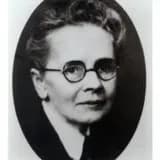
The American Institute of Architects posthumously awarded Morgan the AIA Gold Medal, making her the first woman to receive it in the award's 107-year history.
On June 26, 2014, the American Institute of Architects (AIA) posthumously awarded Julia Morgan its Gold Medal, the institute's highest individual honor, making her the first woman to receive the award since its establishment in 1907—a span of 107 years.
The AIA Gold Medal recognizes architects whose work has had a lasting influence on the theory and practice of architecture. Previous recipients included some of the most celebrated names in the field, such as Frank Lloyd Wright, Louis Sullivan, and Le Corbusier, but until 2014, no woman had ever been so honored, reflecting the profession's long history of marginalizing women's contributions.
The award recognized Morgan's extraordinary body of work encompassing over 700 buildings, her technical mastery demonstrated through structures like Hearst Castle, and her historic role in breaking down barriers for women in architecture through her firsts at UC Berkeley, the École des Beaux-Arts, and California licensure. The AIA's decision followed years of advocacy by architectural historians, preservationists, and women's professional organizations who argued that Morgan's exclusion from such recognition during her lifetime reflected systemic gender bias rather than any deficiency in her work.
This posthumous honor helped catalyze a broader reassessment of Morgan's place in American architectural history, elevating her profile from a regionally respected California architect to a nationally and internationally recognized pioneer, and inspiring renewed scholarly and public interest in her life and work, including new biographies, exhibitions, and preservation efforts at her surviving buildings.