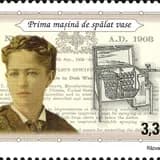
On Dec 28, 1886, U.S. Patent No. 355,139 was granted to Josephine Cochrane for her groundbreaking “Dish Washing Machine.”
On December 28, 1886, the U.S. Patent Office granted Patent No. 355,139 to Josephine Cochrane for her “Dish Washing Machine.” This patent secured legal recognition for the first practical, commercially successful dishwasher powered by water pressure.
Cochrane’s design arranged dishes in wire racks specifically shaped for plates, cups, and saucers, mounted within a wheel inside a copper boiler. A mechanism pumped hot, soapy water against the dishes, cleaning them without abrasive contact. Earlier dishwashing machines existed, but they relied on hand‑operated scrubbers or were too cumbersome and ineffective for widespread use. By focusing on hydraulic action and rational rack design, Cochrane created a machine that could meet the demands of hotels and restaurants and protect delicate china—addressing both industrial and domestic concerns.
Securing the patent was a major barrier‑breaking achievement for a woman in the 1880s. Cochrane navigated a male‑dominated patent system, hired machinists despite their skepticism, and financed development in the wake of her husband’s debts. The document not only established her intellectual property but also enabled her to found a manufacturing business to produce the machines.
Historically, the patent’s grant date marks the turning point from invention to innovation. Cochrane’s patented dishwasher would be showcased at the 1893 World’s Fair, adopted by commercial kitchens, and eventually evolve—through corporate successors—into the modern dishwashers that transformed domestic labor worldwide. December 28, 1886 thus stands as a landmark in both the history of household technology and women’s participation in engineering and entrepreneurship.