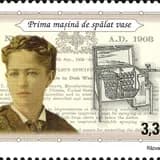
On Dec 31, 1885, Josephine Cochrane filed her first U.S. patent application for a dish-washing machine as “J.G. Cochran.”
On December 31, 1885, Josephine Cochrane filed her first U.S. patent application for a dish‑washing machine, signing it as “J.G. Cochran.” This New Year’s Eve filing marked her formal entry into the world of patented invention.
The application captured a design that departed from earlier dishwashers by using pressurized water rather than brushes or scrubbers to clean dishes. At the time, women inventors faced deep legal and social barriers: they rarely appeared in patent records, struggled to access capital, and were often dismissed by male machinists and business leaders. Cochrane had already battled debt after her husband’s death and resistance from male builders who doubted her specifications, yet she persisted in documenting her ideas with technical precision.
Filing on the last day of 1885 symbolized both urgency and resolve. By placing her design within the patent system, she claimed professional authority over an invention rooted in domestic labor—a realm typically undervalued and feminized. This act transformed her from a frustrated socialite whose china was being chipped into a recognized inventor, and laid the legal groundwork for the breakthrough patent she would secure in 1886.
In historical terms, the December 31 filing is significant not only as a step toward the first commercially successful dishwasher, but also as a rare example of a nineteenth‑century woman asserting ownership over technological innovation that addressed household work, foreshadowing later feminist critiques about the invisible engineering of domestic life.