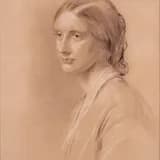
Josephine Butler died at Wooler, Northumberland, England, at age 78, after a lifetime of campaigning for women's rights and social justice.
Josephine Butler died on 30 December 1906 at Wooler, Northumberland, England, at the age of 78. She spent her final years in relative retirement near her birthplace, having outlived her husband George, who died in 1890, and having witnessed the culmination of many — though not all — of the reforms she had spent her life campaigning for.
By the time of her death, Butler had achieved recognition as one of the most significant social reformers of the Victorian era, though full national and international recognition of her legacy would grow considerably in subsequent decades. Her decades of work extended far beyond Britain: she had campaigned internationally against state-regulated prostitution and human trafficking across Europe, cofounding the International Abolitionist Federation, and had influenced legal and moral reform movements in multiple countries.
Her death marked the end of a remarkable life that had bridged Evangelical Christian conviction, feminist politics, and pioneering social activism. She left behind a substantial body of writings, including her influential memoir-style accounts of the repeal campaign, which continued to shape feminist and social reform thought long after her passing. Butler is remembered today as a foundational figure in the history of British feminism, human rights advocacy, and the fight against human trafficking, with her legacy commemorated through an English Heritage blue plaque, an Anglican feast day in her honor, and the naming of Josephine Butler College at Durham University.