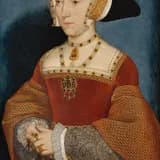
An official royal letter announced Queen Jane Seymour was pregnant, raising hopes across England for the long-desired male heir.
On 26 January 1537, an official royal letter publicly announced that Queen Jane Seymour was "with child," confirming the pregnancy that the entire English realm had been anxiously anticipating. This announcement carried immense political and dynastic weight, as Henry VIII had by this point been married three times in his desperate quest for a legitimate male heir to secure the Tudor succession.
News of the pregnancy was met with widespread celebration and relief throughout the kingdom. Prayers were offered in churches, and the court began preparations for the arrival of a potential prince, reflecting the enormous stakes riding on the health and sex of Jane's unborn child.
For Henry, this pregnancy represented the culmination of years of marital upheaval, including his break with the Catholic Church and the establishment of the Church of England, largely driven by his need for a male heir. For Jane, the pregnancy elevated her status and secured her position, however briefly, as the wife who might finally deliver what her predecessors could not.
The formal, documented nature of this announcement reflects the intense public and political scrutiny placed upon royal pregnancies in Tudor England, where a queen's body and reproductive success were inseparable from matters of state, succession, and national stability.