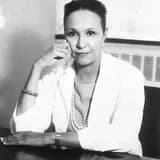
Jane Cooke Wright dies in Guttenberg, New Jersey, aged 93, after a career that helped transform cancer chemotherapy and diversify leadership in oncology.
On February 19, 2013, Jane Cooke Wright died in Guttenberg, New Jersey, at the age of 93, closing a four‑decade career that had transformed the landscape of cancer chemotherapy.[2][3][4][7][8][15] Her death was noted in major oncology journals, professional society memorials, and women’s‑history archives, reflecting the breadth of her influence.
By the time of her passing, Wright was widely recognized as a trailblazing surgeon‑scientist whose work helped shift chemotherapy from a last‑resort experimental option into a central modality in cancer treatment.[3][4] She had authored or co‑authored well over 100 scientific papers, contributed to the development of tissue‑culture methods for drug testing, and played key roles in establishing methotrexate and nitrogen mustard regimens for various malignancies.[3][4][5]
Her death also invited reflection on her pioneering status as an African American woman in medicine. Obituaries emphasized that she had been the only woman and only African American among ASCO’s founders, the first Black woman associate dean of a U.S. medical school, and the first woman president of the New York Cancer Society.[1][5][7][16] Colleagues and historians highlighted how she navigated systemic racism and sexism while mentoring younger physicians and advocating for improved cancer care.
Though she retired from active practice and academic roles in the late 1980s, Wright remained a symbolic figure in oncology and a touchstone in discussions of diversity in medical leadership.[3][14] The precise date of February 19, 2013, now anchors commemorations of her life and work, including Black History Month tributes, women‑in‑science exhibits, and professional society remembrances that continue to frame her as one of the architects of modern chemotherapy.[3][4][8][15]