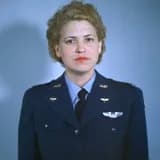
Cochran made a totally blind landing on instruments, showcasing advanced pilot skill.
On December 3, 1937, Jacqueline Cochran made a totally blind landing on instruments, an important technical aviation achievement. Flying without visual reference demanded confidence in the aircraft’s instruments, precise control, and exceptional composure under pressure.
This was historically significant because instrument flying was central to the future of aviation safety and reliability. Pilots who could fly by instruments alone helped reduce the dangers posed by bad weather, darkness, and limited visibility. Cochran’s accomplishment demonstrated not only personal skill but also the growing importance of modern flight techniques in an era when aviation was rapidly becoming more complex and technical.
For a woman pilot in the 1930s, such an achievement also carried symbolic weight. Women fliers were frequently expected to be ornamental or promotional figures rather than masters of advanced flying. A blind landing on instruments directly contradicted that stereotype. It showed that Cochran’s expertise extended beyond racing and publicity into the demanding operational skills that defined serious aviation.