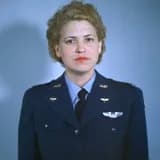
Cochran broke the 2,000-kilometer international speed record and the 100-kilometer national record.
On May 21, 1940, Jacqueline Cochran broke the 2,000-kilometer international speed record and the 100-kilometer national record. These record flights placed her among the most accomplished speed pilots of the prewar period and added to a growing list of achievements that spanned distance, altitude, and velocity.
The historical significance of the flight lies in the way it demonstrated sustained excellence rather than a single spectacular performance. Record-setting in aviation demanded not only raw courage but careful preparation, mechanical understanding, and an ability to manage risk at high speed. Cochran’s repeated success suggested a pilot who was both highly skilled and unusually disciplined, qualities that helped her win respect in a field that often discounted women’s competence.
These records also mattered because they helped normalize the idea of a woman as an elite performance aviator. In the years before the United States entered World War II, Cochran was already proving that women could excel in the technical and competitive dimensions of flight. Her 1940 records therefore stand as another step in the gradual dismantling of gender barriers in aviation.