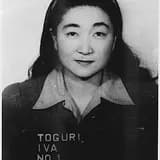
Toguri was released from federal prison after serving over six years of her ten-year sentence.
On January 28, 1956, Iva Toguri D'Aquino was released from the Federal Reformatory for Women in Alderson, West Virginia, after serving approximately six years and two months of her ten-year sentence, benefiting from statutory good-behavior credit. Her release closed one chapter of a long ordeal, but did not restore her legal status as a full citizen — she still faced the lasting stigma of a treason conviction and, controversially, the U.S. government moved to deport her as an alien despite her having been born in Los Angeles.
Following her release, she settled in Chicago, Illinois, where her father operated a import business, and she worked to rebuild a quiet private life away from the media spotlight that had defined the previous decade. She never returned to Japan and remained separated from her husband, Felipe D'Aquino, who was barred from entering the United States.
Her release, while formally ending her imprisonment, did not end her fight to clear her name. Decades of advocacy, investigative journalism, and shifting historical understanding of her case would follow, eventually leading to a stunning act of executive clemency that reversed the last vestiges of her legal punishment.