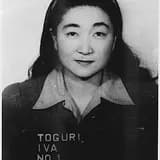
U.S. occupation authorities arrested Toguri in Yokohama, Japan, beginning her legal ordeal.
On September 5, 1945, shortly after Japan's surrender ended World War II, American occupation authorities arrested Iva Toguri D'Aquino in Yokohama, Japan. She had been identified, rightly or wrongly, with the notorious composite figure American troops in the Pacific had nicknamed "Tokyo Rose" — a name applied broadly to several English-speaking women who broadcast propaganda and music over Radio Tokyo during the war.
Toguri had worked at Radio Tokyo on the program The Zero Hour, where she used the on-air name "Orphan Ann" and delivered scripted banter that was, according to later investigation, largely innocuous and even subtly subversive of Japanese propaganda aims. Nevertheless, in the emotionally charged aftermath of the war, she became a prime target for prosecution as the embodiment of "Tokyo Rose."
Her arrest set in motion years of detention, investigation, and legal proceedings. She was initially held for roughly a year without formal charges before being released, only to be re-arrested and extradited to the United States in 1948 as public and political pressure mounted for a prosecution. This arrest marks the beginning of one of the most controversial treason cases in American legal history, one that would later be recognized as tainted by perjured testimony and prosecutorial misconduct.