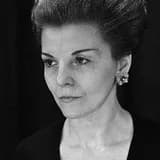
Isabel Perón was overthrown by a military coup that installed the National Reorganization Process dictatorship; she was placed under house arrest.
On 24 March 1976, a military junta led by Lieutenant General Jorge Rafael Videla overthrew President Isabel Perón in a swift, largely bloodless coup d'état, ending her nearly two-year tenure as Argentina's first woman president. She was immediately placed under house arrest and later formal detention, and would not be released for over five years.
The coup ushered in the Proceso de Reorganización Nacional (National Reorganization Process), a brutal military dictatorship that ruled Argentina until 1983 and was responsible for the systematic forced disappearance, torture, and killing of an estimated 9,000 to 30,000 people, in what became known as the Dirty War.
Isabel Perón's ouster was precipitated by catastrophic economic mismanagement, hyperinflation, and the government's inability to control escalating political violence between leftist guerrilla groups and right-wing paramilitary forces, much of it exacerbated by the influence of her controversial minister José López Rega, who had already fled the country by the time of the coup.
Her removal marked a grim turning point: rather than leading to civilian correction of the crisis, it opened the door to one of the most violent state-terror regimes in Latin American history. Isabel herself remained under arrest in Argentina for years, facing charges related to corruption and mismanagement, before eventually being allowed to leave for Spain, where she has lived in exile ever since.