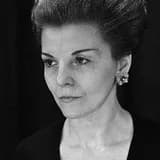
Isabel Perón became president of the Justicialist (Peronist) Party while serving as national president of Argentina.
On the same day she assumed the presidency of Argentina, 1 July 1974, Isabel Perón also became president of the Justicialist Party (Partido Justicialista), Argentina's dominant Peronist political movement, following the death of her husband and its longtime leader, Juan Domingo Perón.
This dual role, atop both the state and the country's most powerful political party, placed enormous authority in her hands at a moment of severe internal party division. The Peronist movement was riven between a left-wing revolutionary faction (the Montoneros) and a right-wing faction aligned with her close adviser José López Rega, the Minister of Social Welfare who wielded outsized influence over her government and was widely believed to direct the death squads of the Triple A.
Isabel's leadership of the party was largely nominal and symbolic, resting on her status as Perón's widow rather than on independent political standing or a demonstrated ideological program. Her inability to unify or control the party's competing factions contributed to the political paralysis and violence that characterized her presidency, and ultimately to the conditions that enabled the military coup of March 1976.
Nonetheless, her formal leadership of the Justicialist Party marked a significant, if fraught, chapter in the history of a movement that continues to shape Argentine politics to this day.