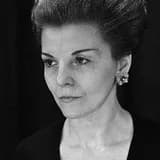
Upon Juan Perón's death, Isabel Perón assumed full presidential powers, becoming Argentina's and Latin America's first woman president.
On 1 July 1974, President Juan Domingo Perón died in office, and Vice President Isabel Perón formally assumed the full powers of the presidency, becoming the first woman to serve as President of Argentina and, according to many historians, the first woman in the world to hold the title and full executive authority of president of a republic.
Her ascension was a landmark moment for women in global politics: she became the first female head of state and government of a presidential republic, predating other prominent women heads of government by years or decades in terms of holding the specific office and title of 'president' with full executive powers (some scholars note earlier female heads of state under different titles, such as Khertek Anchimaa-Toka of Tuva, but Isabel Perón is broadly recognized in mainstream historical sources as the first woman president in the modern sense).
She inherited a nation in economic freefall, with rampant inflation, labor unrest, and escalating political violence between leftist Peronist guerrillas (the Montoneros and ERP) and right-wing death squads, most notoriously the Argentine Anticommunist Alliance (Triple A), organized under the influence of her controversial adviser José López Rega.
Her presidency, though historic in its symbolism for women's representation in politics, quickly became mired in economic crisis and human rights abuses, culminating less than two years later in her overthrow. Nonetheless, her assumption of the presidency remains a foundational milestone in the history of women in executive political leadership worldwide.