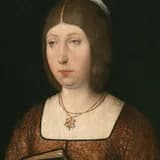
In Segovia's main square, Isabella publicly pledges to uphold the Church, protect Castile's integrity, and respect noble and civic rights as she becomes queen.
On 13 December 1474, following the death of her half-brother Henry IV, Isabella had herself proclaimed Queen of Castile in a dramatic public ceremony in the main square of Segovia. Dressed in symbolic regalia and preceded by a sword-bearer signifying royal justice, she made a solemn public pledge to uphold the commandments of the Church, defend the territorial integrity of Castile, and respect the traditional rights and privileges of the nobility and the towns.
This moment was pivotal and contentious: Isabella's claim to the throne was disputed by supporters of Joanna 'la Beltraneja,' Henry IV's putative daughter, whose legitimacy was widely questioned. Isabella's swift and public self-proclamation, undertaken without waiting for unanimous consent, was a bold assertion of her right to rule and triggered a war of succession with Portugal that lasted until 1479.
The Segovia proclamation set the tone for Isabella's entire reign: assertive, legally minded, and deeply concerned with projecting legitimate authority through ritual and public commitment. It marked the practical beginning of her thirty-year rule over Castile, during which she would transform the kingdom's administration, religious policy, and global reach.