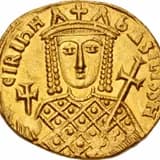
On 31 October 802, Irene is overthrown in a palace coup and replaced by Nikephoros I, ending her reign as sole Byzantine emperor.
On 31 October 802, Empress Irene of Athens was deposed in a palace coup in Constantinople and replaced by the finance minister Nikephoros I. The conspiracy involved leading patricians and officials alarmed by Irene’s fiscal policies and perceived political weakness.
After ruling as sole emperor since 797, Irene faced mounting opposition due to heavy taxation, lavish spending on religious foundations, and her failure to secure a stable succession. On 31 October, conspirators seized control of the palace, acclaimed Nikephoros as emperor, and exiled Irene to the island of Lesbos, where she lived under relatively harsh conditions.
This event ended the unprecedented experiment of a female basileus ruling the Byzantine Empire. Although palace coups were common in Byzantine history, the overthrow of a woman who had claimed the imperial title in her own right marked a reassertion of patriarchal expectations about who could legitimately wear the crown.
For women’s history, 31 October 802 is significant as the abrupt close of Irene’s groundbreaking reign. Her deposition underscores both the fragility of female political authority in a male‑dominated imperial system and the enduring impact of her earlier achievements—especially the restoration of icons—which outlived her fall from power.