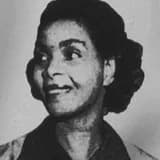
Irene Morgan was arrested in Gloucester County, Virginia, after refusing to surrender her seat on an interstate Greyhound bus, sparking a landmark civil rights case.
On July 16, 1944, Irene Morgan, then 27 years old and recovering from a recent miscarriage, boarded a Greyhound bus in Gloucester County, Virginia, bound for Baltimore. When the bus driver ordered her to give up her seat to a white passenger and move to the back, in accordance with Virginia's segregation laws, Morgan refused.
When a deputy sheriff attempted to forcibly remove her from the bus, Morgan physically resisted — famously tearing up the arrest warrant and fighting back against the officers. She was arrested and subsequently convicted of resisting arrest and violating Virginia's segregation statute, for which she paid a fine for resisting arrest but refused to pay the segregation violation fine.
This act of defiance, occurring more than a decade before Rosa Parks's more famous 1955 bus protest in Montgomery, Alabama, became the catalyst for a legal battle that would ultimately reach the U.S. Supreme Court. The NAACP, with a young Thurgood Marshall and William H. Hastie among her legal team, took up her case, recognizing its potential to challenge segregation in interstate commerce.
Morgan's courage in this moment, largely unheralded for decades, represents one of the earliest and most significant acts of individual resistance against transportation segregation in American history.