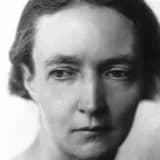
Irène Joliot-Curie dies on 17 March 1956 in Paris of subacute leukemia, likely caused by decades of exposure to radiation in her research.
Irène Joliot-Curie died on 17 March 1956 at the Curie Hospital in Paris, succumbing to subacute leukemia, a blood cancer widely attributed by biographers and medical historians to her prolonged occupational exposure to radiation over more than three decades of laboratory work. Like her mother Marie Curie, who died in 1934 of aplastic anemia caused by radiation exposure, Irène became a tragic testament to the largely unknown health hazards faced by pioneering nuclear scientists before the dangers of ionizing radiation were fully understood and safety protocols developed.
Her illness has often been traced to a 1946 laboratory accident involving a polonium capsule that exploded on her workbench, as well as to cumulative exposure from years of handling radioactive materials with the rudimentary protective measures available at the time.
Her death at age 58 cut short a career that had continued to shape French science and policy for two decades after her Nobel Prize, including her tenure as director of the Radium Institute and her political role advancing French scientific infrastructure. Irène's death, following so closely the pattern of her mother's, cemented the Curie family's story as one of extraordinary sacrifice for scientific progress. She left behind a rich legacy carried forward by her children, Hélène Langevin-Joliot and Pierre Joliot, both of whom became distinguished scientists.