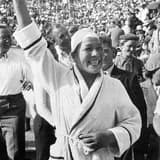
On August 11, 1936, Hideko Maehata won the Olympic gold in 200m breaststroke at the Berlin Games.
On August 11, 1936, Hideko Maehata made history at the Berlin Olympics by winning the gold medal in the 200-meter breaststroke. This victory marked a significant milestone as she became the first Japanese woman to achieve Olympic gold. In a tense and closely contested race, Maehata demonstrated incredible determination, edging out her competitors with a powerful stroke and a steadfast resolve. Her win at these Games was celebrated across Japan, providing a profound source of national pride and inspiration.
Maehata's success was not just athletic; it was symbolic. At a time when female athletes were largely marginalized, her triumph at the Olympics challenged perceptions about women's roles both in sports and within broader societal contexts. Her victory helped pave the way for future generations of female athletes in Japan and contributed to the ongoing discourse about gender equality in sports. Maehata's gold medal was a beacon of hope, showing that with tenacity, barriers could be overcome.