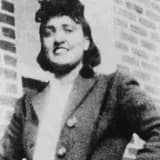
Lacks was admitted to Johns Hopkins Hospital for cervical cancer; a biopsy of her tumor was taken and cells collected without her knowledge or consent.
On February 5, 1951, Henrietta Lacks was admitted to Johns Hopkins Hospital in Baltimore, one of the few hospitals in the segregated South that treated Black patients, complaining of abnormal vaginal bleeding. Doctors discovered a malignant tumor on her cervix.
During this visit, a sample of her tumor tissue was taken for diagnosis—standard practice at the time—but a portion was also given to Dr. George Otto Gey, head of tissue culture research at Hopkins, without Henrietta's knowledge or consent. This was legal under the medical norms of the era, though it would later become a landmark case in bioethics debates about patient consent and racial exploitation in medicine.
This single, uncelebrated moment set in motion one of the most consequential developments in the history of biomedical science: the creation of the first immortal human cell line. The circumstances of this biopsy—taken from a poor Black woman treated in a segregated ward—have since become central to conversations about informed consent, medical racism, and the ownership of human biological material.