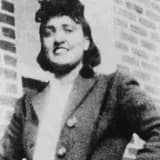
By November 2, 1951, Gey's lab had shipped HeLa cells to other researchers, beginning their rapid spread as a research tool.
By November 2, 1951, George Gey's laboratory had begun shipping samples of the HeLa cell line to researchers at other institutions, marking the beginning of what would become the largest and most widespread distribution of a human cell line in scientific history.
Gey, believing in open scientific collaboration, freely shared HeLa cells with colleagues rather than seeking to monopolize or patent them commercially himself—a decision that accelerated their adoption across the global research community with remarkable speed. Within just weeks of the cells being successfully cultured, they were already being used at other laboratories for cancer research and cell biology studies.
This rapid distribution set a precedent for how HeLa cells would circulate over the following decades: they would eventually travel to laboratories on every continent, be mass-produced in cell factories to support polio vaccine research, and become the foundational tool for thousands of scientific studies. However, this generous distribution also meant that Henrietta's cells—and by extension, a piece of her body and genetic material—spread globally with no compensation or acknowledgment given to her or her family, a central issue in the ethical reckoning that would follow decades later.