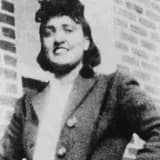
An autopsy performed on October 12, 1951 collected additional tissue samples later used to further propagate the HeLa cell line.
On October 12, 1951, eight days after Henrietta Lacks' death, an autopsy was performed at Johns Hopkins Hospital. During this procedure, pathologists observed that her cancer had spread extensively throughout her body, forming tumors on nearly every organ—a testament to how aggressive her particular cancer had been.
Additional tissue samples were collected during this autopsy, again without the consent of her family, and were used to further study and propagate the HeLa cell line. This was consistent with the medical research practices of the era, which did not require consent for the use of human biological materials in research, particularly from Black patients treated in segregated hospital wards.
The autopsy findings contributed to the medical understanding of how aggressively her particular strain of cervical cancer had metastasized, information that would later be paired with genomic research on her cells. This event further underscores the recurring theme in Henrietta's story: her body continued to be used as a resource for scientific advancement even after her death, without her family's knowledge or permission—a pattern that would not come to light until decades later.