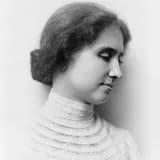
Helen Adams Keller is born in Tuscumbia, Alabama, to Arthur H. Keller and Kate Adams Keller.
On June 27, 1880, Helen Adams Keller was born at Ivy Green, her family home in Tuscumbia, Alabama, to Arthur H. Keller, a newspaper editor and former Confederate officer, and Kate Adams Keller, an educated young woman from Memphis.
Her birth into a white, middle‑class Southern family in the post‑Reconstruction era profoundly shaped both her opportunities and the barriers she would later confront. At the time, disability was poorly understood, and children who were blind or deaf were often excluded from formal schooling and relegated to lives of dependency.
Keller’s early environment combined social privilege with cultural conservatism, including the legacy of slavery and the Civil War. Within this context, her later embrace of radical politics, interracial solidarity and disability rights was especially striking. The child born in rural Alabama would grow into one of the world’s most influential advocates for people who are blind and deaf, as well as an outspoken critic of militarism, poverty and sexism.
Her birth date is now commemorated by disability organizations and women’s‑history institutions as the starting point of a life that dramatically expanded public expectations of what disabled women could achieve. The narrative arc from this June day in 1880 to her global activism underscores how personal biography can intersect with—and help transform—social attitudes and policy.