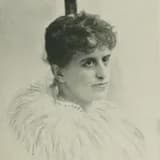
U.S. Patent No. 183,192 was issued to Helen Blanchard for a 'sewing-machine,' part of her series of industrial sewing improvements.
On October 10, 1876, Helen A. Blanchard was issued U.S. Patent No. 183,192 for a 'sewing-machine,' representing another entry in her rapid succession of mechanical innovations during the mid-1870s.
This patent came just months after she had secured patents for her buttonhole and overseaming machines, and in the same year she founded her own manufacturing company. The pace of her patenting activity during this period—three major patents within a single year—illustrates the intensity and productivity of her inventive career at its height.
While the specific technical details of this particular improvement are less documented than her more famous zig-zag and overseaming inventions, its significance lies in demonstrating the breadth and continuity of Blanchard's engineering work. She was not a inventor of a single lucky idea, but a sustained innovator who systematically improved sewing machine technology across multiple mechanical functions—stitching, seaming, and finishing—over the course of her career.
Collectively, these 1876 patents formed the technological backbone of the company she founded that same year, cementing her reputation as one of the most prolific and successful women inventors of the Gilded Age, at a time when patent applications from women were exceedingly rare and often dismissed by contemporaries as unlikely to succeed commercially.