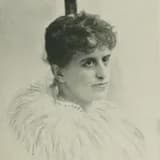
U.S. Patent No. 172,933 was granted to Helen Blanchard for a 'button-hole sewing-machine,' extending her buttonhole-stitch innovations.
On January 4, 1876, Helen A. Blanchard received U.S. Patent No. 172,933 for a 'button-hole sewing-machine,' a refinement and extension of her earlier zig-zag stitch patent granted in 1874.
This patent reflected Blanchard's continuing effort to perfect and diversify the mechanical processes involved in automated buttonhole production. Rather than resting on a single invention, she methodically iterated on her designs, addressing practical manufacturing challenges and improving the reliability and speed of buttonhole-sewing machinery used in the growing American garment industry.
The significance of this patent lies in its demonstration of Blanchard's sustained inventive output. In an era when patenting was itself a costly, bureaucratic, and often intimidating process for women—requiring legal knowledge and financial resources that most women lacked access to—Blanchard's ability to secure a second major patent within two years underscored both her technical expertise and her growing confidence navigating the male-dominated world of American patent law and industrial manufacturing.
This machine, like her others, would eventually be produced and licensed for use in garment factories, contributing to the mechanization of the American textile industry during the post-Civil War industrial boom.