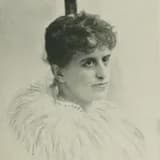
U.S. Patent No. 223,515 was granted to Helen Blanchard for a machine that sewed and trimmed seams simultaneously on knitted fabrics.
On January 20, 1880, Helen A. Blanchard was granted U.S. Patent No. 223,515 for a 'sewing machine for sewing and trimming seams,' an innovation that allowed a single machine to both stitch and trim excess fabric simultaneously on knitted materials.
This dual-function design represented a significant efficiency improvement for garment manufacturers, particularly those working with knitted fabrics such as hosiery and undergarments, which were prone to unraveling if not properly finished. By combining two previously separate manufacturing steps into a single mechanical operation, Blanchard's invention reduced labor costs and production time for textile manufacturers.
This patent exemplifies Blanchard's characteristic engineering approach: rather than inventing entirely novel machines from scratch, she frequently identified opportunities to combine, refine, and extend existing sewing machine functions to solve practical manufacturing problems. Her deep, practical understanding of the textile production process—likely gained through her own experience and close observation of factory work—allowed her to design solutions that were both technically elegant and commercially valuable.
The sewing and trimming machine added to the growing portfolio of patents that Blanchard's company manufactured and licensed, further cementing her position as one of the leading inventors in the sewing machine industry during the 1880s, a decade in which the American ready-made clothing industry was rapidly expanding.