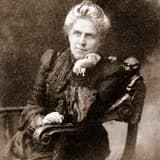
Harriet Williams Russell Strong died on September 16, 1926, at the age of 82.
Harriet Williams Russell Strong died on September 16, 1926, at the age of 82, following an automobile accident. Her death marked the end of a remarkable life that spanned invention, agriculture, civic activism, and early advocacy for large-scale water conservation projects in the American West.
By the time of her death, Strong had built a multifaceted legacy: she was known as a successful rancher and agricultural innovator who pioneered walnut and pampas grass cultivation in Southern California; a holder of multiple U.S. patents in both household and civil engineering; and a prominent civic figure who advocated for water conservation, flood control, and the harnessing of the Colorado River decades before such projects, including the Hoover Dam, came to fruition.
Her passing was noted in regional California newspapers and later recognized by historical and heritage organizations, including her posthumous induction into the National Women's Hall of Fame and continued commemoration by institutions such as the Whittier Museum, near her former ranch, Rancho del Fuerte.
Strong's death came at a pivotal moment in the history of Western water policy, just years before major federal water projects would begin transforming the region she had spent her life studying and advocating for. Her legacy endured through the continued relevance of her patented irrigation and dam-construction methods, as well as through her broader example as a woman who achieved recognition in engineering, agriculture, and civic leadership at a time when such fields were almost entirely closed to women.