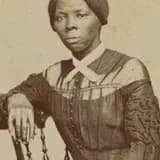
The Harriet Tubman Home for the Aged in Auburn, New York, was designated a National Historic Landmark on May 30, 1974.
On May 30, 1974, the Harriet Tubman Home for the Aged in Auburn, New York, was officially designated a National Historic Landmark by the U.S. federal government. This site had been founded by Tubman herself in the early 1900s as a charitable home to care for elderly and impoverished African Americans, reflecting her lifelong commitment to community welfare that continued long after her Underground Railroad and Civil War service.
The landmark designation recognized not only the physical property but the broader historical significance of Tubman's philanthropic work in Auburn, where she settled after the Civil War with support from abolitionist ally William H. Seward. The Home for the Aged operated under the auspices of the African Methodist Episcopal Zion Church, of which Tubman was a devoted member.
This 1974 designation came amid a broader wave of historic preservation efforts during the 1970s that sought to formally recognize sites significant to African American history, women's history, and the Underground Railroad. It helped ensure the preservation of the physical buildings and grounds associated with Tubman's later life, allowing future generations to visit and learn about her enduring legacy of care and community service. Today, the site is part of the Harriet Tubman National Historical Park complex, drawing visitors and researchers from around the world.