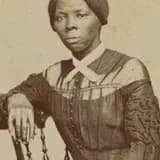
Tubman began leading Union troops up South Carolina's Combahee River, becoming the first woman in U.S. history to plan and lead a military expedition.
On June 1, 1863, Harriet Tubman accompanied Union Army Colonel James Montgomery and a contingent of the 2nd South Carolina Volunteers, a regiment of Black soldiers, as they began an armed expedition up the Combahee River in South Carolina. Tubman had spent months gathering intelligence from enslaved people in the region as a scout and spy for the Union Army, mapping Confederate mine placements and troop positions along the river.
This raid marked an extraordinary and unprecedented moment: Tubman is recognized as the first woman in American history to plan and lead a military expedition. Her intimate knowledge of the terrain, informants, and enemy positions was instrumental in guiding three Union steamboats safely past Confederate torpedoes (mines) planted in the river.
The operation combined military strategy with humanitarian liberation: as the boats moved upriver, word spread among plantations that Union forces — and "Moses" herself — had arrived. Enslaved people rushed to the riverbanks seeking passage to freedom, a scene Tubman later described vividly in her own recollections.
This raid exemplified the convergence of Tubman's Underground Railroad expertise with formal Union military strategy, demonstrating how her unique skills as a former fugitive and clandestine operative translated directly into wartime intelligence and combat operations, breaking profound gender and racial barriers of the era.