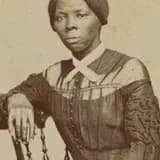
The raid Tubman led concluded with over 700 enslaved people freed and Confederate supplies destroyed, cementing her status as the first woman to lead a U.S. military raid.
By June 2, 1863, the Combahee River Raid led jointly by Harriet Tubman and Colonel James Montgomery had concluded, resulting in the destruction of Confederate stockpiles, warehouses, and plantations along the river, and — most remarkably — the liberation of more than 700 enslaved men, women, and children who boarded Union gunboats seeking freedom.
Newspapers of the era, including abolitionist publications, celebrated the raid as a triumph, though few properly credited Tubman's central planning role at the time. Her contributions were later affirmed by contemporaries, including Union officers and government officials who acknowledged that the raid's success depended heavily on the intelligence networks she had cultivated among enslaved communities.
This event confirmed Tubman's place in history as the first woman in the United States to plan and execute an armed military expedition, a distinction unmatched by any other woman, Black or white, in the Civil War era. It also stands as one of the largest single liberation events of enslaved people during the entire war, surpassing in scale many individual Underground Railroad missions combined.
The raid's legacy is commemorated today at the Harriet Tubman Combahee River Ferry National Historical Park site, and it remains a touchstone case study in military history, gender history, and the history of American slavery and emancipation.