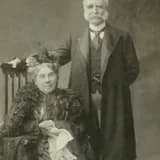
Tracy received U.S. patent no. 446,653 for an 'Elevator-Shaft Door-Operating Mechanism,' laying groundwork for her Gravity Safety Elevator.
On January 27, 1891, Harriet Tracy was granted U.S. Patent No. 446,653 for an "Elevator-Shaft Door-Operating Mechanism." This invention addressed one of the most pressing safety concerns of the rapidly growing elevator industry: the risk of falls and accidents caused by shaft openings that remained exposed when a car was not present at a given floor.
Elevators were becoming essential infrastructure in the increasingly vertical cities of late nineteenth-century America, yet early elevator technology was notoriously dangerous, with numerous recorded injuries and deaths caused by falls into open shafts. Tracy's mechanism, which automated the operation of shaft doors in coordination with the elevator car's position, represented a meaningful contribution to the emerging field of elevator safety engineering — a field almost entirely dominated by male engineers and industrialists.
This patent served as a critical technical foundation for her later, more famous invention: the Tracy Gravity Safety Elevator, patented the following year. Together, these elevator-related patents positioned Tracy among the pioneering inventors addressing vertical transportation safety at a pivotal moment in the development of American skyscrapers and multi-story buildings.