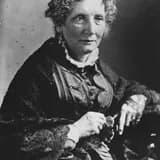
First installment of Uncle Tom’s Cabin appears in The National Era, launching Stowe’s most influential work.
On June 5, 1851, Harriet Beecher Stowe published the first installment of Uncle Tom’s Cabin as a weekly serial in The National Era, the abolitionist newspaper based in Washington, D.C. The serialization introduced readers to a powerful narrative of slavery’s violence and the moral tragedy of family separation, and it quickly captured national attention.
This moment was historically significant because serialization made the novel immediate and public. Rather than waiting for a book publication, readers encountered Stowe’s story week by week, which helped build suspense and widened its influence across abolitionist circles and beyond. Stowe was writing in the context of the Fugitive Slave Act of 1850 and mounting sectional conflict; her fiction translated political argument into emotional experience, especially for readers who might not have engaged directly with antislavery activism.
The serial publication also marked a major breakthrough in women’s literary authority. Stowe used a medium often associated with domestic reading to confront one of the nation’s most explosive political issues. The work’s success demonstrated that a woman writer could shape public debate at the highest level and helped establish Stowe as one of the most influential authors of the nineteenth century.