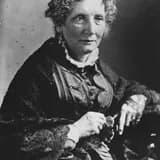
Book publication of Uncle Tom’s Cabin, the novel that transformed Stowe into a global literary and antislavery figure.
On March 20, 1852, Uncle Tom’s Cabin; or, Life Among the Lowly was published in book form, converting the earlier newspaper serial into a national literary event. The first edition reportedly had an initial print run of 5,000 copies, but demand rapidly outstripped that opening number as readers across the North and abroad absorbed the novel’s antislavery message.
The book’s importance lies in the scale of its cultural impact. It dramatized the brutality of slavery through intimate domestic scenes, grieving mothers, enslaved children, religious hypocrisy, and the moral conflict of ordinary Americans. In doing so, Stowe helped make slavery legible to audiences who might otherwise have regarded it as distant or abstract. The novel became a political and cultural phenomenon, generating fierce pro-slavery rebuttals in the South and energizing abolitionist opinion in the North.
For a woman writer in the mid-nineteenth century, the success of Uncle Tom’s Cabin was a barrier-breaking achievement in literary influence, even though Stowe was not entering an official office or institution. The book became one of the best-known American novels ever written and remains central to discussions of literature’s power to shape public conscience.