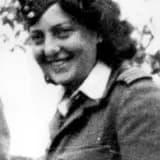
On the day of her execution, Szenes declined the opportunity to seek a pardon, choosing instead to face the firing squad with her convictions intact.
On the morning of 7 November 1944, shortly before she was put to death, Hannah Szenes was reportedly given an opportunity to request a pardon from the Hungarian authorities. According to multiple accounts preserved in Israeli and Jewish historical memory, she declined to do so, refusing to compromise her principles or express contrition for a mission she believed was righteous.
This final act of defiance has been mythologized as the culmination of her unwavering commitment to Zionism, Jewish solidarity, and personal integrity. Rather than beg for mercy from a regime complicit in the genocide of her people, she chose to die on her own terms, reportedly refusing a blindfold as well so she could look her executioners in the eye.
This moment has become a cornerstone of her legacy in Israeli education and collective memory, often cited alongside her poetry as evidence of extraordinary courage in the face of certain death. It cemented her image not merely as a victim of the Holocaust, but as an active agent of resistance who maintained agency and dignity until her last breath. Her refusal to seek pardon is frequently invoked in Israeli military and civic ceremonies as an example of moral steadfastness, and it continues to be taught in Israeli schools as part of the national narrative of heroism amid catastrophe.