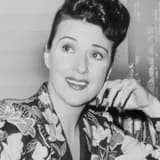
In the Ziegfeld Follies of 1936, she became one of the earliest burlesque striptease performers featured in a major Ziegfeld production.
Gypsy Rose Lee's appearance in the Ziegfeld Follies of 1936, which opened on January 30, 1936, represented one of the earliest instances of a burlesque striptease performer being featured prominently in a major Ziegfeld production. This was a significant moment in the mainstreaming of burlesque entertainment into more "respectable" Broadway theater.
The Ziegfeld Follies had long been associated with glamorous showgirls and elaborate production numbers, but had generally maintained a veneer of theatrical respectability distinct from the more overtly risqué world of burlesque houses like those run by the Minsky brothers, where Gypsy Rose Lee had built her reputation. Her inclusion in this production blurred those boundaries, bringing striptease—albeit a highly stylized, witty version of it—into one of Broadway's most prestigious franchises.
This barrier-breaking moment reflected broader cultural shifts in the 1930s, as burlesque faced increasing moral scrutiny and legal crackdowns (particularly in New York City under Mayor Fiorello La Guardia), even as its most talented performers, like Lee, found ways to elevate and legitimize the form through wit, intelligence, and self-parody. Her success in this crossover paved the way for burlesque performers to be taken seriously as entertainers and helped establish the archetype of striptease as an art form rather than mere vulgarity, influencing entertainment culture for decades to come.