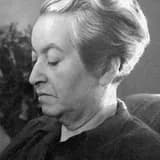
Mistral's poem cycle "Sonetos de la muerte" won first prize at Santiago's Juegos Florales, bringing her national recognition.
On December 12, 1914, Gabriela Mistral's cycle of three poems, "Sonetos de la muerte" ("Sonnets on Death"), won first prize at the Juegos Florales, a prestigious public poetry competition held in Santiago, Chile. This was a major cultural event in early 20th-century Chile, modeled on medieval Occitan literary festivals, and winning it catapulted the young provincial schoolteacher into national literary prominence for the first time.
The sonnets, deeply personal and mournful in tone, are widely believed to have been inspired by the suicide of Romelio Ureta, a man with whom Mistral had a romantic relationship. The poems explore grief, death, and eternal love with an intensity and directness that distinguished them from the ornate modernist poetry fashionable at the time.
This victory marked a turning point: it was the moment the pseudonym "Gabriela Mistral" first entered wide public consciousness, replacing her birth name Lucila Godoy in her literary identity. The recognition opened doors for her within Chilean intellectual and educational circles and set the stage for her subsequent career as an internationally published poet, essayist, and diplomat. It remains one of the earliest documented milestones of her literary career prior to her global fame.