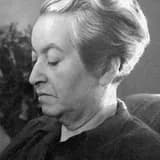
Mistral's debut book "Desolación" was published in New York, establishing her international literary reputation.
Gabriela Mistral's first major book of poetry, "Desolación" ("Desolation"), was published in 1922 by the Instituto de las Españas en los Estados Unidos in New York City, at the initiative of Spanish-language scholar Federico de Onís. This publication marked her formal debut as a book author on the international literary stage, following years of scattered publications in newspapers and magazines.
The collection gathered poems written over more than a decade, including material related to "Sonetos de la muerte," and dealt with themes of maternal love, death, grief, religious faith, and the natural world of rural Chile. Its raw emotional honesty and distinctive voice, free from the ornamental excesses of contemporary Latin American modernismo, distinguished Mistral immediately as a major new poetic voice.
"Desolación" was quickly recognized throughout the Spanish-speaking world and translated into multiple languages, establishing Mistral's reputation far beyond Chile. It remains one of her most studied and beloved works, foundational to her identity as a poet of profound emotional depth. The book's publication in the United States, rather than in Latin America or Spain, reflected the transnational, itinerant nature of Mistral's career as an educator and cultural diplomat, and helped position her for the international recognition that would culminate, more than two decades later, in the Nobel Prize.