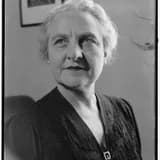
Frances Payne Bolton died in Lyndhurst, Ohio, at age 91, closing out a nearly century-long life of public service and philanthropy.
Frances Payne Bolton died on March 2, 1977, in Lyndhurst, Ohio, at the age of 91 (note: some contemporary sources, including a Politico retrospective, cite March 9, 1977, as the date of death, reflecting a minor discrepancy across historical records). She passed away after a life that spanned from the Gilded Age through the Cold War, during which she witnessed and helped shape enormous transformations in American society, health care, and women's political participation.
By the time of her death, Bolton had served an extraordinary 29 years in the U.S. House of Representatives (1940–1969), becoming one of the most senior and respected women in the history of American politics up to that point. She had also established a lasting legacy through her philanthropic support of nursing education, her advocacy for public health, and her groundbreaking diplomatic roles as the first woman to lead a congressional delegation abroad and to serve as a U.S. delegate to the United Nations.
Her death marked the end of an era for women in American congressional leadership; she had outlived many of her contemporaries and had mentored and inspired successive generations of women entering public life. Institutions bearing her name, including the Frances Payne Bolton School of Nursing at Case Western Reserve University, continue to honor her legacy, ensuring that her contributions to nursing education and women's political advancement remain remembered well beyond her lifetime.