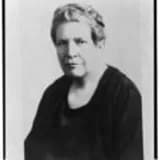
The Pure Food and Drug Act became law, a measure Kelley and the National Consumers League had campaigned for vigorously.
On June 30, 1906, President Theodore Roosevelt signed the federal Pure Food and Drug Act into law, establishing the first significant federal regulation of food and drug safety and labeling in the United States.
Florence Kelley and the National Consumers League had campaigned energetically for such legislation, framing safe and honestly labeled goods as a consumer right connected to broader labor and public health reforms. The NCL's 'White Label' campaign, which certified goods produced under fair labor conditions, had already primed consumers to think critically about the products they purchased, building public support for federal intervention.
The Act's passage, spurred also by muckraking journalism such as Upton Sinclair's The Jungle, marked a watershed in the expansion of federal regulatory power and consumer protection, a philosophy central to Kelley's activism linking industrial conditions, consumer choice, and government responsibility.
Kelley's advocacy helped establish the template for using consumer mobilization to achieve federal legislative change, a strategy that would echo through the twentieth century's later consumer protection and public health movements.