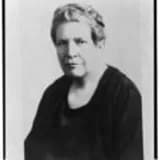
The Sheppard–Towner Act became law, the first federal grant program for maternal and child health, after years of Kelley's lobbying.
On November 23, 1921, President Warren G. Harding signed the Sheppard-Towner Maternity and Infancy Protection Act into law, establishing the first federal grant-in-aid program in American history dedicated to maternal and child health services.
Florence Kelley had lobbied tirelessly for this legislation for years, drawing on Children's Bureau data showing alarmingly high rates of infant and maternal mortality, particularly in rural and impoverished areas lacking access to prenatal care and trained medical attendants. The Act provided federal matching funds to states to establish health clinics, train midwives and nurses, and disseminate maternal health education.
The bill's passage was aided by the newly enfranchised women voters following the 1920 ratification of the Nineteenth Amendment; legislators, uncertain how women would use their new political power, proved more receptive to women reformers' demands. Kelley and her allies skillfully leveraged this political moment.
Although the Act was controversial—facing opposition from the American Medical Association and conservative critics who decried federal overreach into family life, and was ultimately allowed to lapse in 1929—it established a lasting precedent for federal involvement in public health and served as a direct forerunner to Social Security Act provisions for maternal and child welfare enacted in 1935, embedding Kelley's vision permanently into the American social safety net.