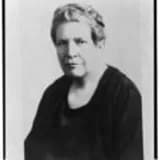
Kelley became the first general secretary of the National Consumers League, leading it for over three decades.
On December 15, 1899, Florence Kelley was named the first general secretary of the newly formed National Consumers League (NCL), a position she would hold until her death in 1932.
The NCL grew out of local consumers' leagues that had organized boycotts and 'White Label' campaigns certifying goods produced without child labor or excessive hours. Under Kelley's leadership, the organization became the nation's most effective clearinghouse for social-scientific labor reform, coordinating minimum-wage campaigns, maximum-hour legislation, and safety standards across dozens of states.
Kelley's role as general secretary allowed her to build coalitions among middle-class consumers, women's clubs, and labor unions, leveraging purchasing power as a tool for social change—an innovative strategy at the time. She traveled extensively, lectured widely, and drafted model legislation that state lawmakers across the country adopted.
Her leadership of the NCL made it the era's leading advocate for what she called the 'human standard' in industry, and her decades-long tenure in this first-of-its-kind national post cemented her legacy as perhaps the most influential nonelected shaper of American labor law in the Progressive Era, directly informing later New Deal labor protections.