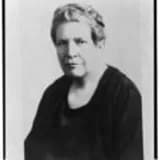
Kelley joined the founding conference of the NAACP on Lincoln's centennial, linking labor reform to civil rights advocacy.
On February 12, 1909, the centennial of Abraham Lincoln's birth, Florence Kelley joined a group of reformers, journalists, and civil rights leaders—including W.E.B. Du Bois, Jane Addams, Mary White Ovington, and Oswald Garrison Villard—in issuing 'The Call' and convening to found the National Association for the Advancement of Colored People (NAACP).
The founding came in response to a wave of racial violence, notably the 1908 Springfield, Illinois race riot, and reflected growing alarm among progressive reformers about the failure of Reconstruction-era promises. Kelley's involvement connected her labor and consumer activism, focused on protecting the most vulnerable workers, with the emerging civil rights movement, reflecting her broader vision of social justice that crossed race and class lines.
Her participation lent the credibility of the established progressive reform network to the fledgling civil rights organization, helping the NAACP gain traction among white liberal reformers as well as Black intellectuals and activists.
The NAACP would go on to become the most influential civil rights organization in American history, and Kelley's early involvement is a testament to the interconnected nature of Progressive-Era reform movements, where labor rights, women's suffrage, and racial justice advocates frequently collaborated and overlapped.