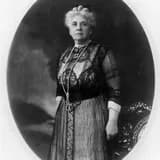
Death of Fanny Garrison Villard at Thorwood Park, Dobbs Ferry, New York, aged 83.
On July 5, 1928, Fanny Garrison Villard died at age eighty‑three at her home in Thorwood Park, Dobbs Ferry, New York, closing a life that spanned from the antebellum abolitionist struggle to the aftermath of World War I.
The New York Times obituary emphasized her identity as a "pioneer suffragist" and leader in peace causes, charities, and society, reflecting the breadth of her public engagement. Her death prompted tributes that linked her to her father William Lloyd Garrison while recognizing her own substantial achievements in suffrage, civil rights, and pacifism.
Historically, this date marks the end of a crucial generational bridge in U.S. reform history. Fanny had carried the abolitionist ethos into campaigns for women’s voting rights, interracial cooperation in the NAACP, and organized opposition to militarism. Her home in Dobbs Ferry had become a local hub of philanthropic activity, and she was remembered in the Hudson Valley as a co‑founder of the river towns’ suffrage movement and an uncompromising peace advocate.
She was buried in Sleepy Hollow Cemetery beside her husband Henry Villard, symbolically uniting the Garrison legacy of moral radicalism with the Villard family’s corporate and journalistic influence. Her July 5 passing invites reflection on how nineteenth‑century radical traditions were transformed—and sometimes tempered—in the Progressive and interwar eras, and on the enduring impact of women reformers who worked across multiple movements over long lifetimes.