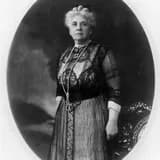
New York Times obituary commemorates her as a pioneer suffragist and peace leader.
On July 6, 1928, the New York Times published the obituary of Fanny Garrison Villard, widely known as "Mrs. Henry Villard," highlighting her national stature as a "pioneer suffragist" and leader in peace causes, charities, and society.
The obituary recounted her Boston birth to abolitionist William Lloyd Garrison, her marriage to railroad builder Henry Villard, and her prominent role in advocating colleges for women and supporting interracial and humanitarian organizations. It noted her contributions to suffrage campaigns and her leadership in peace work, including her opposition to war and militarism.
Historically, the publication of this obituary is significant because it captures how mainstream media and elite society understood Fanny’s legacy at the time of her death. Being memorialized in a major national newspaper signaled the recognition of her decades of activism, philanthropy, and organizational leadership. The language of "pioneer" emphasizes that she was seen as an early and formative figure in the struggle for women’s political rights.
The obituary also reveals the intersection of gender, class, and reform in her life: it frames her as both a society woman and a radical reformer, underscoring how she leveraged social status to promote abolitionist‑inspired ideals of equality and peace. As a source, the July 6, 1928 notice remains a key contemporary document for historians reconstructing her public image and the impact of her work across suffrage, civil‑rights, and pacifist movements.